


Exploring the Picasso Museum in Antibes Unveiling Artistic Treasures

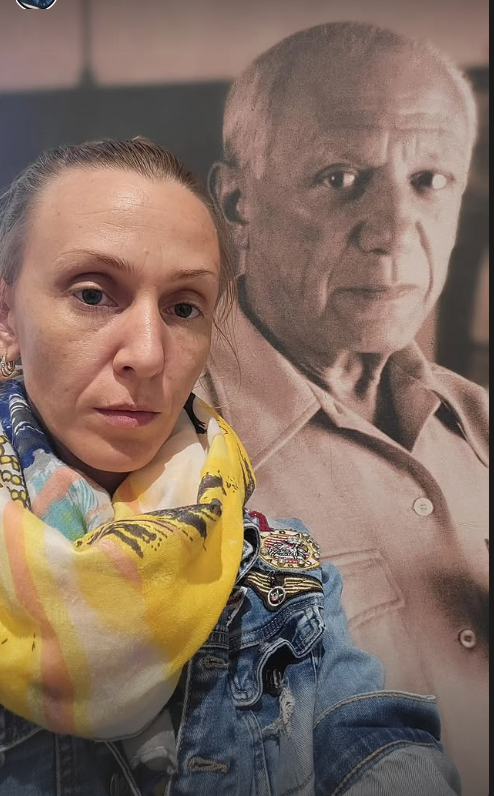
The Picasso Museum in Antibes offers a unique glimpse into the creative world of one of the 20th century’s most influential artists. Nestled in the charming town of Antibes on the French Riviera, this museum holds a special place in art history. It showcases a remarkable collection that reflects Picasso’s deep connection to the Mediterranean and his innovative spirit. For art lovers and curious travelers alike, visiting this museum is an opportunity to experience Picasso’s work in a setting that inspired much of his creativity.
The History Behind the Museum
The Picasso Museum is housed in the Château Grimaldi, a historic fortress overlooking the sea. This location itself adds to the museum’s allure. In 1946, Picasso stayed here and created several works during his residency. The château was transformed into a museum shortly after, becoming the first museum dedicated to Picasso’s art while he was still alive. This fact makes it a rare and significant cultural site.
The museum’s collection began with Picasso’s own donation of paintings and ceramics. Over the years, it has expanded to include works by other artists who were inspired by or connected to Picasso. The setting of the château, with its medieval walls and stunning views, provides a perfect backdrop for the art on display.
What to Expect Inside the Museum
Visitors to the Picasso Museum in Antibes will find a diverse range of artworks. The collection includes paintings, drawings, ceramics, and sculptures. Many pieces were created during Picasso’s stay in Antibes, reflecting his fascination with the local landscape, people, and light.
The museum is organized to guide visitors through Picasso’s evolving styles and techniques. Early works show his exploration of form and color, while later pieces reveal his experimentation with abstraction and symbolism. The ceramics section is particularly notable, as Picasso brought new life to this traditional craft with his imaginative designs.
Besides Picasso’s works, the museum also features temporary exhibitions that highlight other artists and themes related to modern art. These exhibitions keep the museum dynamic and offer fresh perspectives for repeat visitors.
Highlights of the Collection
Several pieces stand out as must-sees during a visit to the Picasso Museum in Antibes:
“La Joie de Vivre”: This large painting captures the vibrant energy and optimism of post-war Europe. It is a colorful celebration of life and nature.
Ceramic works: Picasso’s ceramics here include plates, vases, and tiles decorated with playful motifs and bold shapes. These pieces show a different side of his creativity.
Drawings and sketches: The museum displays many of Picasso’s preparatory sketches, offering insight into his creative process.
Portraits: Various portraits reveal Picasso’s ability to capture personality and emotion with minimal lines and shapes.
Each artwork tells a story about Picasso’s relationship with Antibes and the broader artistic movements of his time.
Tips for Visiting the Museum
To make the most of your visit to the Picasso Museum in Antibes, consider these practical tips:
Plan your visit during weekdays or early mornings to avoid crowds, especially in the high tourist season.
Allow at least two hours to explore the museum fully, including temporary exhibitions.
Use the audio guide available at the entrance. It provides detailed explanations and background stories for many pieces.
Combine your visit with a walk around the old town of Antibes and the nearby Port Vauban, which offer beautiful views and charming streets.
Check the museum’s website before your visit for current exhibitions and any special events.
The Museum’s Role in the Community
The Picasso Museum in Antibes is more than a tourist attraction. It plays an active role in promoting art education and cultural exchange. The museum organizes workshops, lectures, and guided tours aimed at different age groups and interests. These programs help deepen visitors’ understanding of Picasso’s work and its impact on modern art.
The museum also collaborates with local schools and art institutions to support emerging artists. This connection to the community ensures that the museum remains a living space for creativity and learning.
Why the Picasso Museum in Antibes Matters
This museum stands out because it connects Picasso’s art with the place that inspired it. Unlike larger museums in big cities, the Antibes museum offers an intimate experience. Visitors can see how the Mediterranean environment influenced Picasso’s colors, themes, and techniques.
The museum also preserves an important chapter in art history by maintaining the château and its collections. It invites visitors to explore not only Picasso’s genius but also the cultural heritage of Antibes.
For anyone interested in art, history, or the French Riviera, the Picasso Museum in Antibes provides a rich and rewarding experience.


Comments